Alarm Monitoring System (UMS version)

Introduction: Basically, the SIEMENS based Marine approved Alarm Monitoring System (UMS version) is a platform on which whole marine field’s machineries are being monitored for the pre-defined correct working conditions, through a range of the enhanced transmitters all over the processes & simultaneously enabling the remote start & stop functions, as long as the “Auto-Stand-By” functions over the several pumps.

How it works: Automation, transmitters, and remote alarms monitor the engines, liquids parameters (level, pressure & temperature). If a problem happens, an alarm sounds in the engineer’s cabin or on the bridge (WCU).

Requirements: Ships need a centralized marine alarm monitoring system, a certified “dead man alarm” (which sounds if the lone duty engineer fails to reset it), a fire alarm system, and the remote propulsion safety/control from the bridge.

When it is used: Typically active overnight (such as from 17:00 to 07:00 hours) when regular maintenance work stops and the ship relies on an automated backup systems.
Marine Alarm Monitoring System

Straightaway, the Marine Alarm Monitoring System (UMS version) product: AMS-ZMZ-002582-UMS is certainly a marine approved, robust & reliable successor to any obsolete & out of order monitoring systems & in similar fashion can be implemented onboard maritime vessels to renovate and/or retrofit their safeties to emphatically meet the classification society’s requirements.

Marine Alarm Monitoring UMS
Marine Alarm Monitoring System (UMS version)

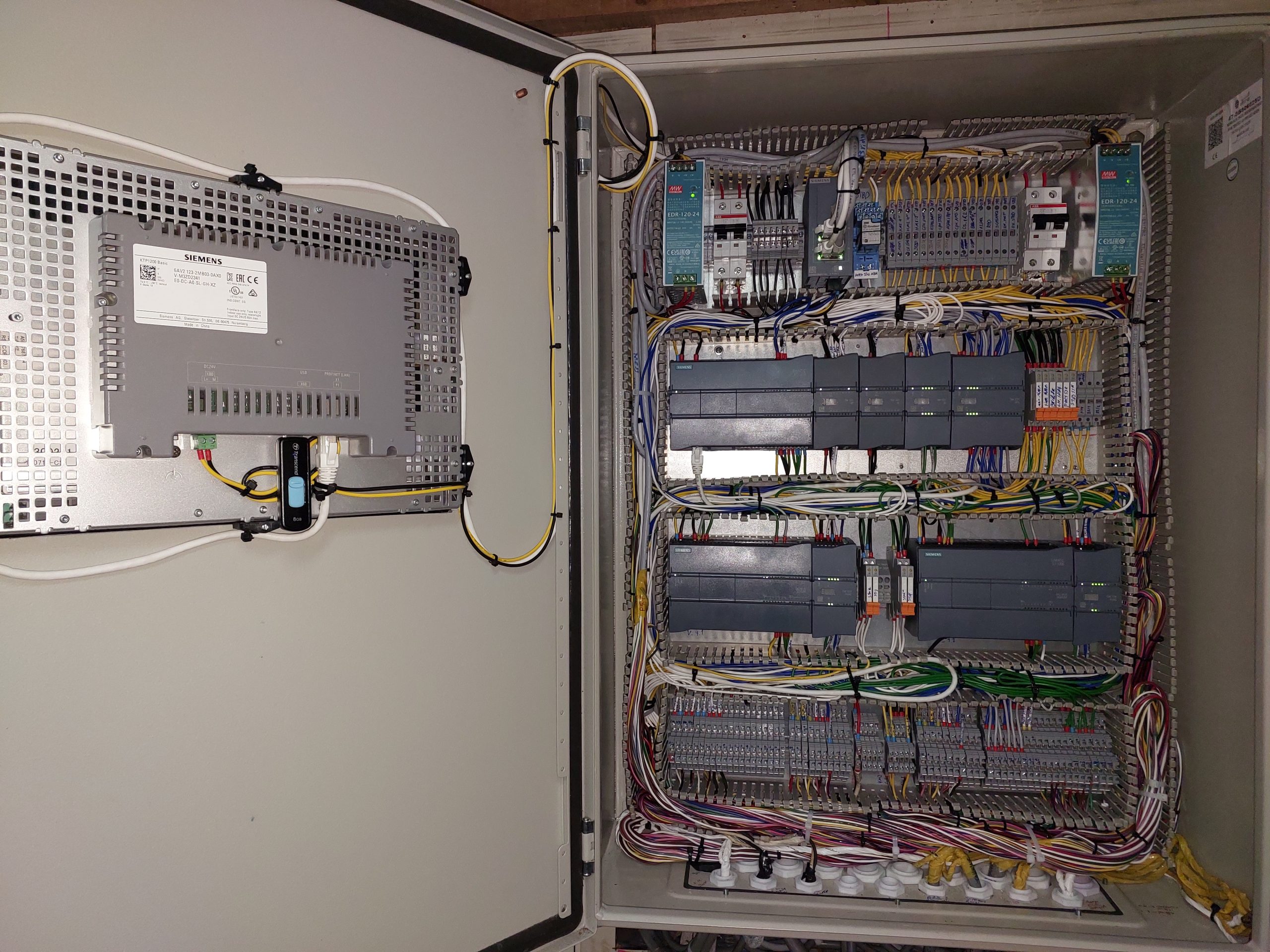
Emphatically, the Marine Alarm Monitoring System (UMS version) AMS-ZMZ-002582-UMS integrates basis on the marine-approved SIEMENS PLC.

Markedly, SIEMENS PLC in the hierarchy locates on top, as a cutting-edge technology platform from a prominent and reliable maker.

Many intelligent strategies establishes on the ZMZ software and accordingly Alarm Monitoring System manipulates as below:

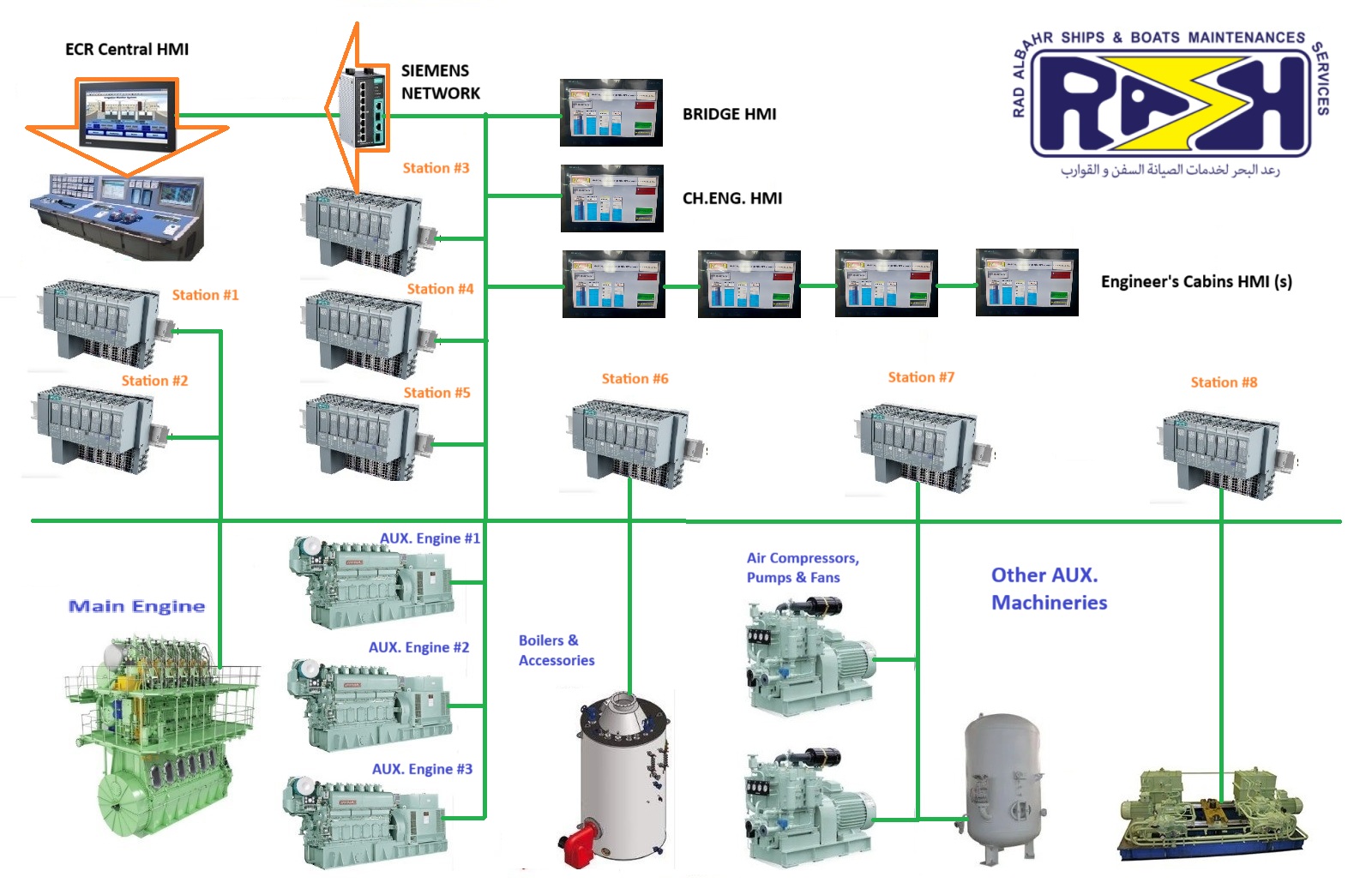
  • Top Hierarchy (PLC): The “AMS-ZMZ-002582” bases on the “FIELDBUS” topology (standardized as the IEC_61158).
  • Basically, the “PROFINET” protocol establishes to communicate to the integrated internal network of the system itself and other parts of an enhanced network.
  • Obviously, the extended network consisting of the control and monitoring systems (For instance the PMS ZMZ-002581 and the RCS/SSU ZMZ-002577/002579).
  • Human-Machine Interface (HMI):
    • In the second place, located on the medium level in the hierarchy.
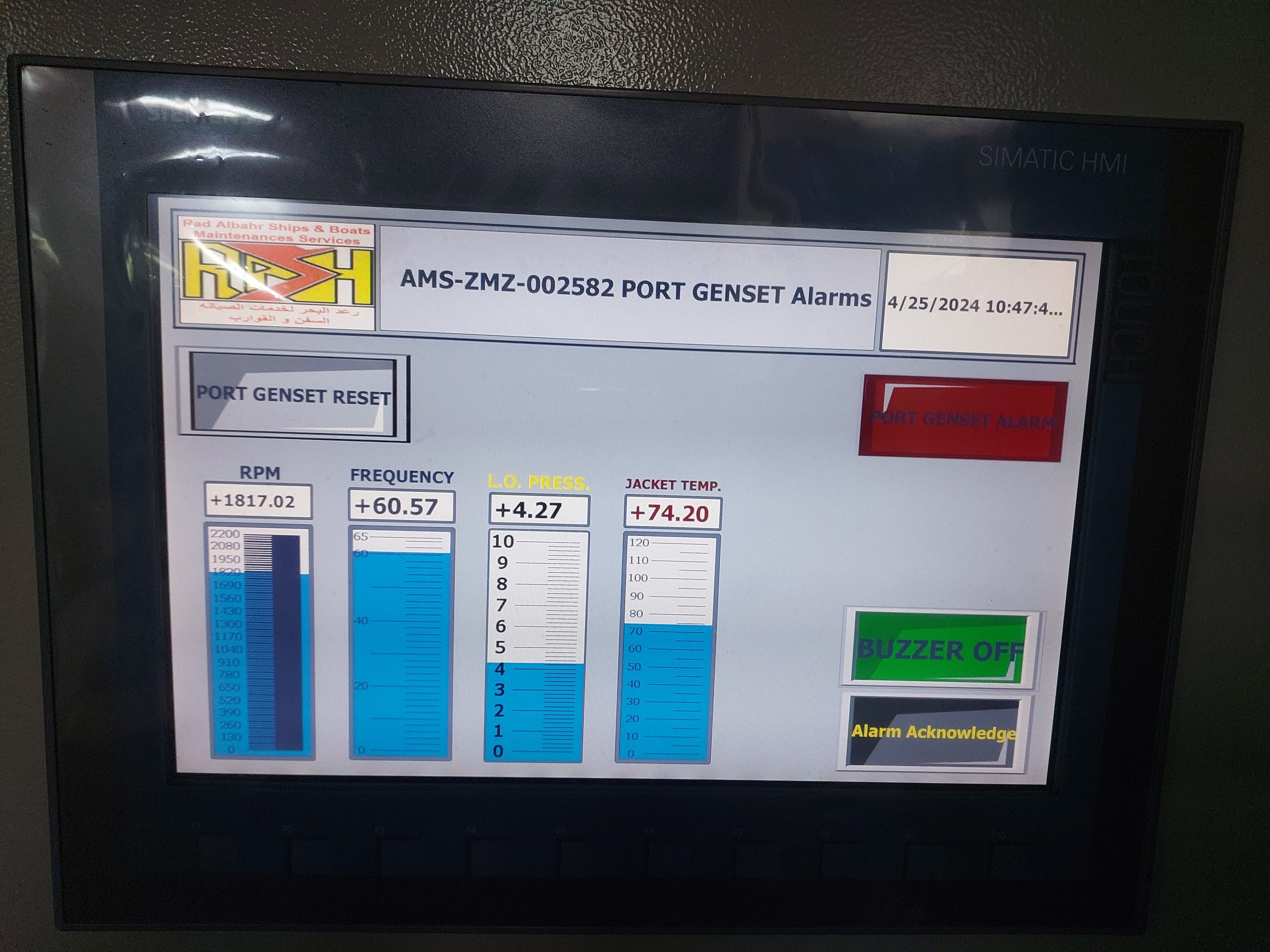
    • Displays real-time data and alarm status.
    • Specifically, enables the remote start & stop functions for all machineries through the HMI’s touch panels.
    • Notably, the Remote Pumps “AUTO-STAND-BY” functions through the touch panel HMI, considering field transmitters pressure monitoring system.
    • The HMI displays the alarm information, and in other words, indicating the nature and location of the issue.
    • To emphasize, it allows the ship staff to monitor the machineries, acknowledge alarms, and reset the system.
    • Subsequently, the HMI(s) are logging the data and providing the “Alarm Log” and “Alarm History” to the engineers onboard the maritime vessel.
  • Field’s Transmitters:
  • Generally, in the third place of the hierarchy located in the lower level and collecting necessary data and acting as the SAU (Signal Acquisition Units).
  • Accordingly, these are the input devices that monitor various parameters such as temperature, pressure, tanks level gauging and etc.
  • Moreover, the field transmitters are being hired to effectively shall be considered as the pressure monitoring means to enable “auto-stan-by” function. 
  • Alarm Devices:

– Online Monitoring (through touch HMI)

– Visual alarms (lights, indicators).

– Audible alarms (sirens, buzzers).

  • UMS (Un-Manned Ship):
  • Chiefly, the enhanced network consisting of several extra HMI(s) located in the different sub-stations like Bridge, Offices, Duty Mess Room and cabins.
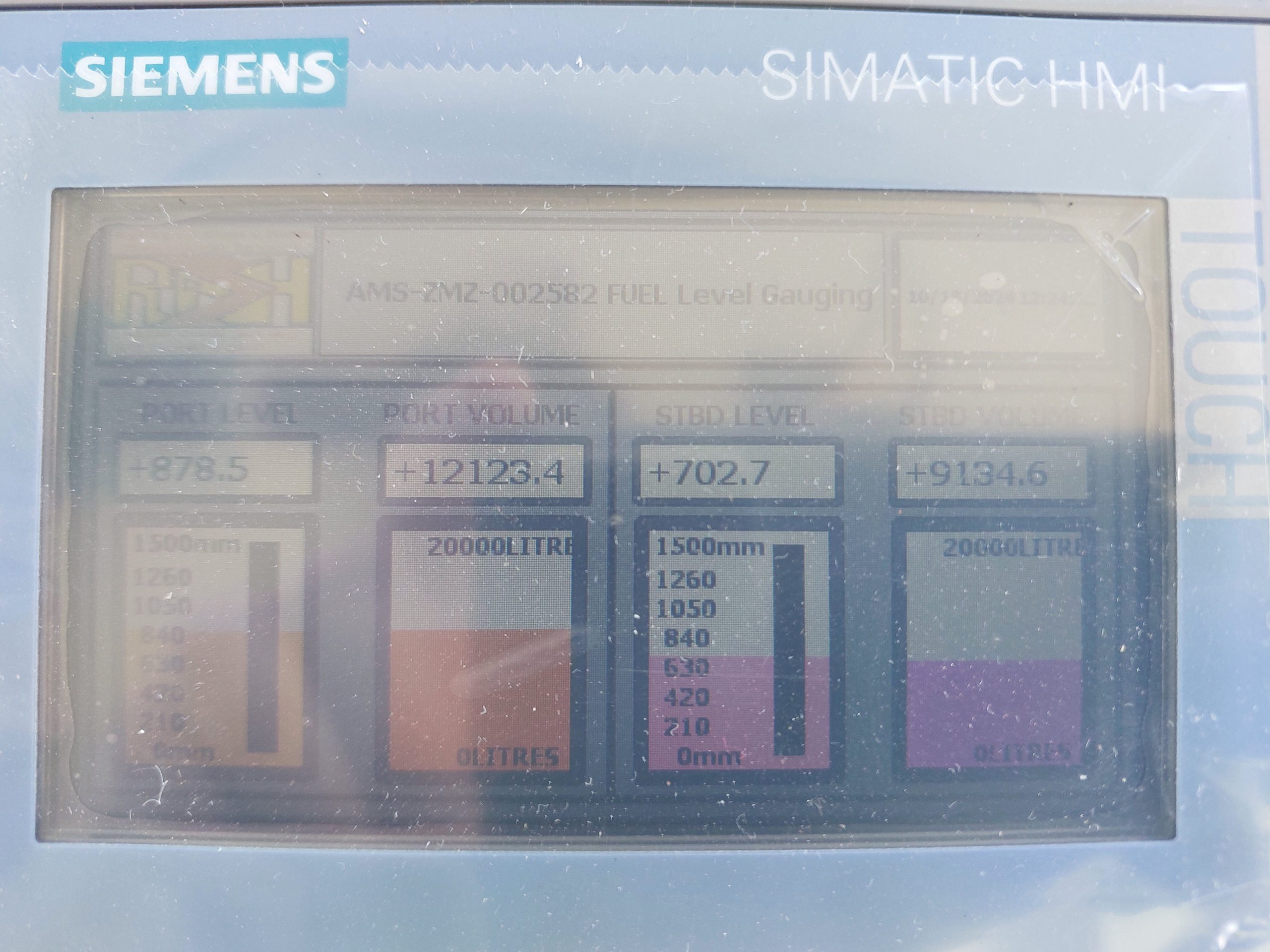
Marine Alarm Monitoring System
RASHBM user friendly HMI pages at the operator's disposal

@RAShBM WCU located in the bridge

  • Advantages of Using SIEMENS Marine Approved PLC in Alarm Monitoring Systems:
  • Reliability:

SIEMENS platform is significantly reliable & designed for harsh industrial environments; indeed, they provide robust performance & are less prone to failure.

  • Flexibility:

SIEMENS PLCs are programming intelligently & flexible for reprogramming to accommodate changes in any monitoring requirements or system upgrades.

  • Scalability:

Certainly, the ZMZ series AMS (UMS) can be scaled up by adding more input/output modules as per the demands of each hierarchy, as needed.

  • Integration:

Undeniably, SIEMENS PLCs can integrate with other automation systems on the vessel, such as propulsion control, power management, and safety systems.

  • Real-time Processing:

Additionally, SIEMENS class approved PLCs offer real-time processing capabilities, ensuring immediate detection and response to abnormal conditions.

  • Maintenance-free system as applicable.
Marine Alarm Monitoring UMS
Marine Alarm Monitoring System's ECR HMI Central Panel

@RAShBM AMS-ZMZ-002582-UMS